Hibiscus Flower: A Designer’s Review for Boutique Sweatshirts
As an embroidery designer who has spent years digitizing and testing patterns for small clothing brands, I approach every new machine embroidery design with a critical eye. It is not just about whether the file runs smoothly; it is about how the final stitch-out elevates the garment. Recently, I evaluated the Hibiscus Flower design from the Single Flowers Plants category for an upcoming limited drop of premium sweatshirts. My goal was to determine if this trendy piece could carry the weight of a boutique brand’s identity while maintaining the cheerful, artistic touch promised in its description.
First Impressions: Mood and Stitch Personality
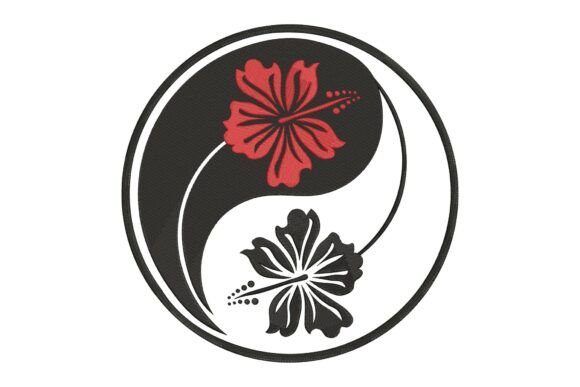
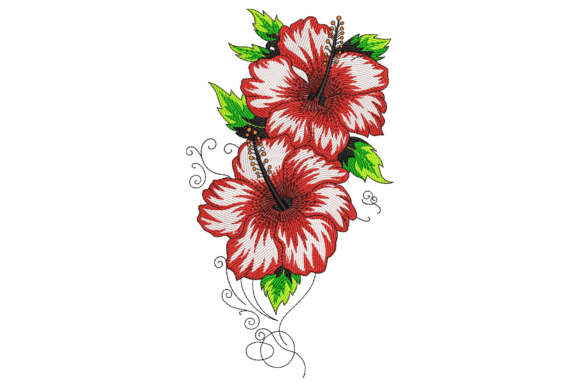
The first thing that strikes you about the Hibiscus Flower is its inherent versatility. In the world of Embroidery, floral motifs can often feel dated or overly complex, but this design manages to strike a balance between modern minimalism and decorative charm. The layout feels organic, avoiding the rigid symmetry that sometimes makes machine stitching look sterile. Instead, there is a fluidity to the petals and leaves that suggests a hand-drawn origin, which is crucial for creating a high-end handmade product.
When I loaded the digital embroidery file into my simulation software, the stitch personality appeared clean and deliberate. For a boutique project, we are not looking for excessive density that creates a cardboard-like feel on soft fabrics. This design seems to prioritize texture and outline, allowing the fabric texture of the sweatshirt to breathe through the stitches. It feels playful yet sophisticated, making it suitable for a wide range of aesthetics, from rustic farmhouse vibes to chic, urban streetwear.
Styling for Sweatshirts and Hoodies
The core of my review focused on how this design performs on heavy cotton blends, specifically for sweatshirt embroidery. I tested the visual impact across several colorways. On neutral sweatshirts—think oatmeal, heather grey, or soft white—the Hibiscus Flower pops with a fresh, airy energy. Using pastel thread colors here enhances the feminine and cute aspects of the design, making it ideal for spring collections.
However, the real test was on dark fabric. Embroidering on black or navy requires careful consideration of contrast. I found that using vibrant, saturated thread colors like coral, magenta, or bright teal against a dark hoodie background creates a bold, striking look. This contrast turns the hoodie design into a statement piece rather than just a subtle accent. For oversized hoodies, I recommend scaling the design slightly larger for a back placement. The artistic touch mentioned in the product description shines here, transforming a basic garment into a canvas.
For those targeting a cozy seasonal apparel market, consider placing a smaller version of the Hibiscus Flower on the sleeve or near the cuff. This subtle placement adds a dash of character without overwhelming the silhouette, appealing to customers who prefer understated elegance. It is a smart strategy for custom apparel lines that want to offer unique details that competitors might overlook.
Technical Considerations for Production
While the aesthetic appeal is strong, practical designer concerns must be addressed before running a production batch. Since the exact stitch count and hoop size are not specified in the brief description, it is vital to check these details in the actual embroidery file before purchasing. For a small shop product, efficiency and consistency are key.
- Stitch Density: Evaluate the density settings. Sweatshirts are thick, so too much density can cause puckering. Look for a design that uses underlay stitches effectively to stabilize the fabric without adding bulk.
- Stabilizer Choice: For fleece or French terry fabrics, a cut-away stabilizer is generally recommended to provide long-term support. However, if the Hibiscus Flower has low density, a tear-away might suffice for lighter weights. Always test on your specific fabric blend.
- Fabric Thickness: Ensure your machine’s presser foot pressure is adjusted for thicker materials. The design should not pull or distort the knit structure of the sweatshirt.
- Small-Size Readability: If you plan to use this for left-chest logos, verify that the fine details remain clear at smaller sizes. Complex floral designs can lose definition when scaled down, so check the preview at 2–3 inches wide.
Washing durability is another critical factor for commercial embroidery. A well-digitized floral design should withstand repeated wash cycles without thread breakage or excessive shrinkage distortion. I advise running a wash test on your prototype to ensure the thread colors remain vibrant and the stitches stay intact. This step builds buyer trust and reduces return rates for your Etsy seller account or online store.
Enhancing Brand Identity and Value
Beyond the technical specs, the Hibiscus Flower serves as a powerful tool for brand identity. In a saturated market, unique design assets help differentiate your boutique brand. This particular design adds a cheerful and artistic touch that can become a signature element of your collection. When customers see consistent, high-quality embroidery, they perceive higher value in the finished product.
For marketing purposes, this design lends itself beautifully to lifestyle product photography. Imagine a flat lay featuring the sweatshirt alongside dried hibiscus blooms, natural linen, and coffee cups. These visuals create an emotional connection with potential buyers. Additionally, using a printable mockup with this design can help you gauge customer interest before committing to large inventory orders. It allows you to test different thread color combinations digitally, saving time and resources.
For Etsy listings, highlight the handmade nature of the embroidery. Mention the care taken in selecting the perfect hoop size and stabilizer to ensure comfort. Storytelling around the design process—how you chose the Hibiscus Flower for its symbolic meaning of beauty and delicacy—can enhance customer engagement. People buy from people, and showing the thought behind your custom apparel choices fosters loyalty.
Final Verdict for Creative Entrepreneurs
In conclusion, the Hibiscus Flower is a promising addition to any embroidery designer’s library, particularly for those focusing on apparel and home decor. Its ability to adapt to various fabric colors and garment styles makes it a versatile asset for creative entrepreneurs. Whether you are launching a new line of cozy winter hoodies or refreshing your spring t-shirt collection, this design offers the flexibility needed for diverse product ranges.
Remember to verify the technical specifications of the digital embroidery file to ensure it matches your machine’s capabilities and your fabric choices. With proper testing and thoughtful placement, this design can elevate your small shop product offerings, providing that professional, polished look that customers crave. It is not just a pattern; it is a component of your brand’s visual language, capable of turning a simple sweatshirt into a cherished wardrobe staple.