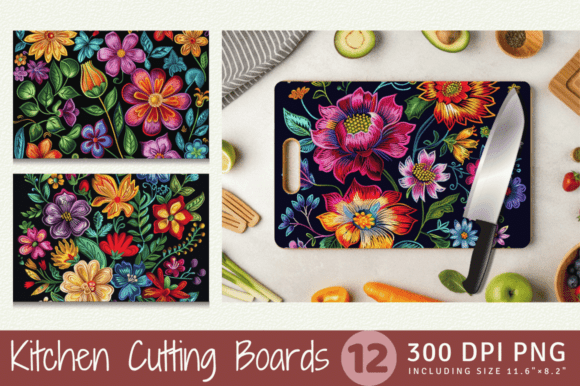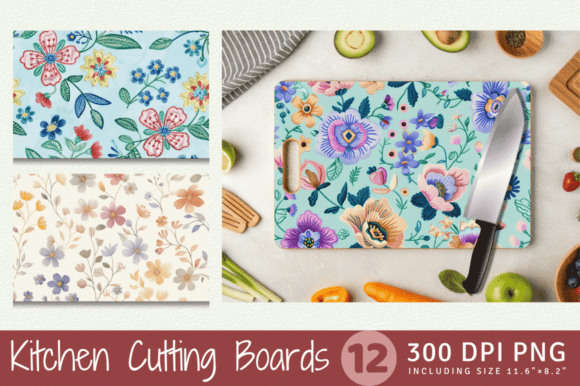
Pastel Embroidery Flowers Cutting Boards Review
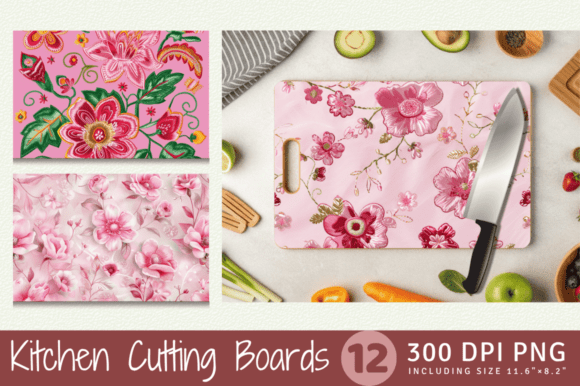
As an embroidery designer who has spent countless weekends behind a craft fair table, I have learned that the difference between a browser and a buyer often comes down to visual clarity and emotional connection. When I first loaded the Pastel Embroidery Flowers Cutting Boards design onto my screen, my immediate reaction was one of relief. In a market saturated with bold, high-contrast, and sometimes aggressive graphics, this piece offers a breath of fresh air. It feels soft, inviting, and distinctly premium. For those of us running small shop products or Etsy stores, finding a design that balances aesthetic appeal with production practicality is rare. This review breaks down how this specific graphic performs when translated from a digital embroidery file into tangible, sellable goods.
First Impressions: Soft Elegance Meets Kitchen Charm
The title itself suggests a niche focus, but the visual execution tells a broader story. The Pastel Embroidery Flowers Cutting Boards design does not scream for attention; instead, it whispers. It embodies a modern farmhouse elegance mixed with a touch of rustic charm. The pastel palette is crucial here. Unlike vibrant primary colors that can look cheap if the thread quality is low, pastels require a delicate touch. They suggest sophistication and calm, which are exactly the emotions customers want to evoke in their kitchen decor.
From a designer’s perspective, the composition feels balanced. It is not overly dense, which is a significant advantage for production speed. When evaluating Illustrations and Graphics for commercial embroidery, I always look for open spaces that allow the fabric texture to breathe. This design achieves that, making it versatile enough to work on various textiles without looking cluttered or heavy.
Versatility Across Craft Fair Products
The true test of any machine embroidery design is its adaptability. I imagined setting up my booth with a variety of items to see where this design would shine. Here is how it performs across different categories:
- Tote Bag Design: This is perhaps the strongest contender. A canvas tote with this pastel floral motif centered on the front becomes an instant bestseller. The design is large enough to be noticed from a few feet away but detailed enough to reward closer inspection. It transforms a basic utility item into a fashionable accessory.
- Apron Embroidery: For cooking lovers, an apron featuring this graphic adds a personalized, handmade touch. Placed on the bib or the lower skirt of the apron, it elevates the garment from a protective tool to a statement piece. It appeals directly to the demographic looking for unique kitchen gifts.
- Tea Towel Embroidery: While charming, this requires caution. Tea towels have a loose weave. If the stitch density is too low, the fabric may pucker. However, if stabilized correctly, the soft colors complement linen and cotton blends beautifully, creating a high-end boutique feel.
- Embroidered Patch: Creating iron-on patches allows for batch production. You can embroider dozens of these on a single sheet of stabilizer, cut them out, and sell them as add-ons. This is a fantastic strategy for increasing average order value at craft fairs.
- Pillow Covers and Pouches: As a focal point on a neutral pillow cover or a small fabric pouch, the design adds just enough decoration without overwhelming the item. It works exceptionally well for gift sets.
Production Practicality and Selling Points
When preparing for a busy weekend market, efficiency is key. The Pastel Embroidery Flowers Cutting Boards design appears to be optimized for quick turnover. Because it relies on pastel tones, it likely uses standard thread colors that most embroiderers already have in stock, reducing the need for frequent color changes or special orders.
Photography is another critical factor for online listings. Pastel designs photograph incredibly well in natural light. They do not create harsh shadows or glare, which means your printable mockup and real-life photos will look consistent and professional. This consistency builds trust with potential buyers browsing your Etsy seller profile or social media pages.
Furthermore, the design feels repeatable. For a small shop product, being able to produce ten identical items quickly is vital for inventory management. The lack of extremely fine, tiny details suggests that the risk of thread breaks or needle hits is minimized, allowing for smoother batch production.
Careful-Use Notes and Technical Considerations
While the design is strong, no digital embroidery file is universal. There are specific scenarios where you must exercise caution to maintain the quality of the finished product.
- Fabric Texture: Avoid using this on highly textured fabrics like thick terry cloth unless you use a substantial cut-away stabilizer. The delicate lines of the flowers may get lost in the pile of the towel.
- Dark Fabric: Pastel threads do not pop on black or navy blue. If you wish to use dark fabrics, consider adding a white underlay or choosing a lighter fabric color to ensure the design remains visible and vibrant.
- Curved Surfaces: Embroidering on caps can be tricky. If the design is too wide, it may distort around the curve of the crown. Check the width dimensions against your hoop size before committing to a cap production run.
- Small Lettering: If the design includes any text related to "cutting boards" or kitchen themes, ensure it is legible at smaller sizes. Tiny lettering can become illegible if the stitch count is too low or if the fabric shifts during hooping.
Designer’s Checklist for Best Results
Before you list this as a craft fair product or add it to your online store, follow these practical steps to ensure quality control:
- Test on Scrap Fabric: Always run a test stitch on the exact fabric you plan to sell. This helps you identify any tension issues or puckering before you waste good material.
- Check Thread Contrast: Ensure your pastel threads have enough contrast against the fabric. Sometimes, cream thread on off-white fabric disappears completely. Adjust your thread palette if necessary.
- Review Spacing and Hoop Size: Confirm that the design fits comfortably within your hoop with adequate margin for clamping. Crowding the hoop can lead to uneven stitching.
- Inspect Stitch Density: Look at the stitch count relative to the size. If it seems too sparse for the fabric type, add a backing stabilizer to provide support.
- Create a Real Mockup: Do not rely solely on digital previews. Create at least one physical sample to photograph. This helps you understand how the light hits the threads and how the design sits on the garment.
- Confirm Commercial Licensing: Since the product description mentions it is perfect for print-on-demand sellers and custom printed boards, ensure you understand the license terms. Verify if the digital embroidery file allows for unlimited physical sales or if there are restrictions on quantity.
Enhancing Brand Consistency and Buyer Engagement
Ultimately, the Pastel Embroidery Flowers Cutting Boards design is more than just a pattern; it is a brand builder. It signals to your customers that your handmade product is thoughtful, gentle, and high-quality. In a booth display, items featuring this design can serve as anchor pieces that draw people in with their softness, encouraging them to explore the rest of your collection.
For creative entrepreneurs, this design assets package offers a reliable way to expand your product line without sacrificing quality. Whether you are selling finished products at a local market or listing digital files for other makers, the versatility and aesthetic appeal of this graphic make it a valuable addition to your portfolio. By paying attention to fabric choice, stabilization, and presentation, you can maximize the visual appeal and customer attention this design naturally commands.