Review: Coquette Flower Girl Embroidery Design
As a designer who spends more time staring at stitch maps than actual fabric, I have learned that not every machine embroidery design translates well from screen to thread. Some look intricate on a monitor but turn into a tangled mess of bobbin thread on the hoop. Others are so simple they lack impact. When I first loaded the Coquette Flower Girl Embroidery Design into my digitizing software, I was looking for that sweet spot: charming enough to sell, but sturdy enough to withstand a wash cycle.
This piece falls under the Single Flowers Plants category, but it carries a specific aesthetic weight. The "coquette" trend is currently dominating social media and boutique retail, characterized by softness, femininity, and a touch of vintage whimsy. For an Etsy seller or a craft business owner, riding this wave with a high-quality embroidery file can be a significant revenue driver. But does this specific design hold up under professional scrutiny? Here is my breakdown of how it performs in real-world applications.
First Impressions and Visual Personality
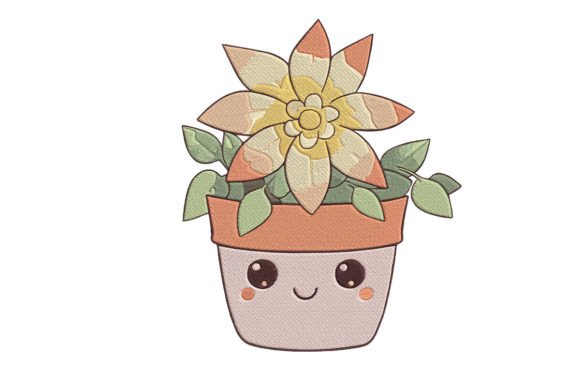
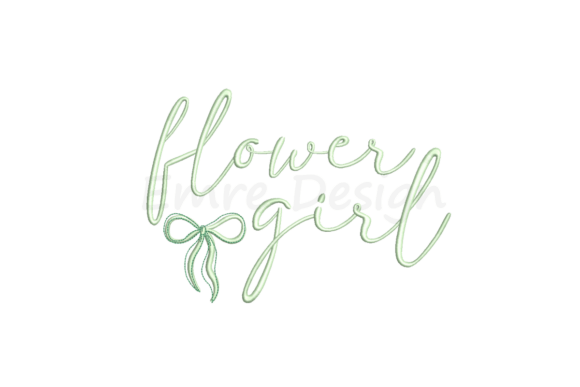
The immediate mood of the Coquette Flower Girl Embroidery Design is playful yet refined. It avoids the clutter often seen in floral motifs, opting instead for a cleaner layout that allows each element to breathe. The visual personality suggests a target audience that appreciates handmade nuance—think pastel nurseries, bridal showers, or spring-themed apparel collections.
From a technical standpoint, the balance between satin stitch borders and fill stitch interiors appears well-calibrated. In many budget-friendly designs, the transition between these stitch types can cause puckering or thread breaks. However, the flow here suggests a thoughtful digitization process. The lines are smooth, avoiding the jagged edges that plague lower-quality digital embroidery file purchases. This level of clarity is essential when you are trying to convey professionalism in a small shop product.
Real-World Application: The Tote Bag Test
To truly evaluate a design, you must imagine it on a finished item. I visualized this design centered on a natural canvas tote bag design. Canvas has a distinct fabric texture that can swallow small details if the stitch density is too low. Fortunately, the bold outlines of this flower girl motif stand out against the weave of the cotton.
I also considered its use in custom apparel, specifically a cream-colored sweatshirt. Sweatshirt embroidery requires careful handling because the fleece backing can shift during stitching. The design’s compact nature makes it ideal for the left chest area or the center of a sleeve. It is not so large that it becomes stiff and uncomfortable, nor so small that it gets lost in the garment’s pile. For a personalized gift, such as a monogrammed hoodie for a bridesmaid, this design offers a unique alternative to standard script fonts.
Versatility Across Product Lines
Beyond bags and sweaters, this design shows promise in several other categories:
- Baby embroidery: The soft, whimsical theme fits perfectly on onesies or burp cloths, provided the stitch count is optimized for delicate skin.
- Holiday embroidery: With adjusted thread colors, such as swapping pastels for reds and greens, it could easily transition into a Valentine’s Day or Easter collection.
- Embroidered patch: The self-contained shape works well for iron-on patches, allowing customers to add a trendy touch to denim jackets or backpacks.
- Home decor: Imagine this stitched onto a linen tea towel or a pillow cover. It adds a layer of artisanal charm that mass-produced items lack.
Technical Considerations and Fabric Constraints
While the design is versatile, it is not without its limitations. A responsible embroidery project review must address where things might go wrong. The coquette aesthetic often relies on fine details, such as ribbon bows or delicate petals. On stretchy fabrics like jersey knits, these fine lines can distort if the stabilizer is not chosen correctly. I strongly recommend using a cut-away stabilizer for any garment that will be worn and washed frequently.
Additionally, consider the hoop size. While the design is likely compact, placing it on a curved surface like a cap requires precision. If the design includes tiny text or extremely thin running stitch elements, they may not register clearly on textured caps. Always test on scrap fabric first. This is non-negotiable for maintaining customer trust. A single botched stitch on a client’s expensive jacket can ruin your reputation as a reliable commercial embroidery provider.
Dark fabrics present another challenge. If you plan to stitch this on navy or black, you must ensure the thread colors have enough contrast. A pale pink thread on a dark background might look elegant in a printable mockup, but in reality, it can appear muddy. Consider using an underlay stitch or a slight satin border to help the design pop against darker textiles.
Impact on Brand Value and Customer Engagement
For design assets creators and small business owners, the choice of design directly impacts perceived value. The Coquette Flower Girl Embroidery Design feels current and intentional. Using trending aesthetics responsibly helps in building brand consistency. When customers see a cohesive collection of items featuring this motif, they perceive the brand as curated and stylish.
Moreover, the "handmade" appeal is stronger when the stitching is clean. This design’s structure supports high-quality execution, which leads to better buyer engagement. In a saturated market like Etsy, products that look professionally finished stand out. This design aids in that presentation, offering a polished look that elevates the finished product above amateur attempts.
Practical Designer Notes for Implementation
Before you purchase or begin stitching, keep these practical steps in mind to ensure success:
- Check the License: Confirm whether the embroidery file allows for commercial use. If you are selling design assets or finished goods, you must know the terms. Do not assume; read the documentation provided with the download.
- Test Stitch Density: Run the design on a similar fabric to your final product. Check for puckering. If the fabric pulls, adjust your tension or switch to a heavier stabilizer.
- Color Contrast: Create black and white mockups to check the silhouette. If the design loses its shape in grayscale, it may rely too heavily on color rather than form. This design holds up well structurally, but always verify with your specific thread palette.
- Inspect Small Details: Zoom in on the digital preview. Look for unnecessary jump stitches or overly dense areas that could cause needle breaks. A clean pathing sequence saves time and thread.
- Fabric Compatibility: Avoid using this on extremely thin, sheer fabrics unless you are experienced with freestanding lace techniques or heavy stabilization. The weight of the stitches needs a substrate that can support it.
In conclusion, the Coquette Flower Girl Embroidery Design is a strong contender for spring and summer collections. It balances aesthetic trendiness with technical feasibility. For the maker who values both style and substance, this design offers a reliable foundation for creating memorable, high-quality embroidered goods. Just remember: the best design in the world cannot save poor technique. Test, stabilize, and stitch with care.