Reviewing Winter Embroidery Flowers for Sweatshirts
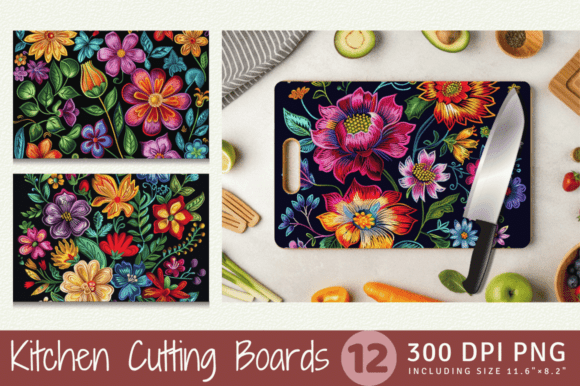
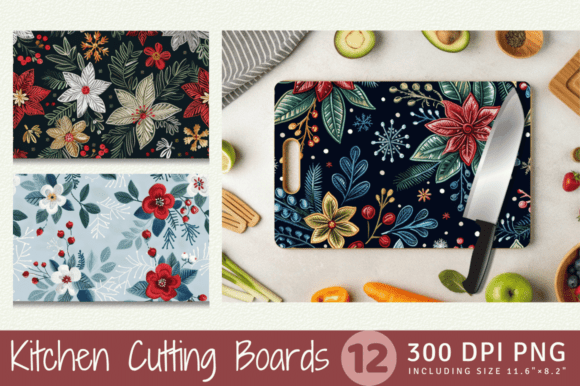
As an embroidery designer who has spent years digitizing patterns and consulting with small boutique brands, I approach every new machine embroidery design with a critical eye. It is not just about whether the image looks pretty on a screen; it is about how those stitches will behave on fabric, how they hold up after washing, and ultimately, how they elevate a handmade product in a crowded market. Recently, I had the opportunity to evaluate Winter Embroidery Flowers Cutting Boards, a digital asset that initially caught my attention for its potential in kitchen decor but sparked a different creative vision for apparel.
While the product description highlights its use as a high-quality cutting board design for cooking lovers and print-on-demand sellers, my focus shifted immediately to its application in fashion. Specifically, I wanted to see how this intricate illustration could translate into a premium sweatshirt collection for a small online shop. The intersection of culinary aesthetics and cozy winter wear is a trending niche, and this design offers a unique bridge between the two worlds.
First Impressions: Mood and Stitch Personality
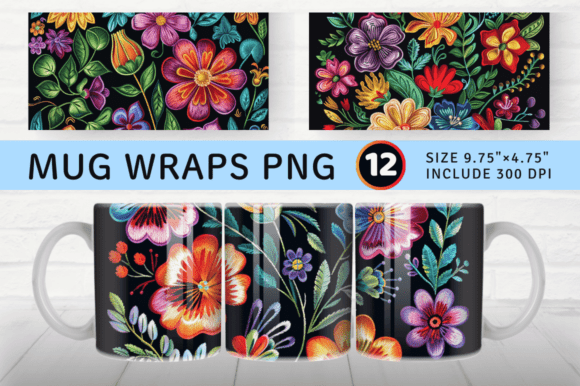
When I first opened the file, the immediate impression was one of rustic elegance. The layout suggests a delicate balance between botanical elements and structural clarity. For a designer, the "stitch personality" refers to how the digitization handles transitions between colors and shapes. In this case, the Winter Embroidery Flowers Cutting Boards design appears to favor a decorative, slightly illustrative style rather than a hyper-realistic photographic approach. This is crucial for embroidery because overly complex gradients can become muddy when translated into thread.
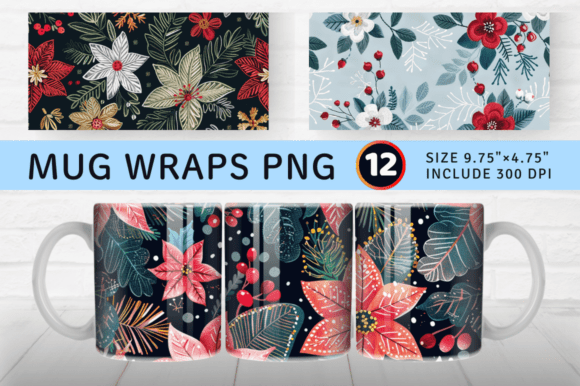
The mood feels distinctly feminine yet grounded, making it versatile for various demographics. It does not scream "bold" or "aggressive"; instead, it whispers "cozy" and "curated." For a boutique brand aiming to sell lifestyle products, this subtlety is a strength. It suggests a slow-living aesthetic that resonates deeply with customers looking for comfort and charm in their daily items. As part of the Illustrations and Graphics category, it stands out because it carries enough detail to be interesting up close, yet remains readable from a distance.
Translating Kitchen Decor to Premium Apparel
The real test for any digital embroidery file is its versatility across different garments. I imagined placing this design on a range of sweatshirts to gauge its impact. On neutral sweatshirts, such as oatmeal, heather grey, or soft beige, the floral elements would likely pop with a gentle contrast, emphasizing the natural tones of the thread. The design feels particularly suited for oversized hoodies, where a larger hoop placement on the back could create a statement piece that feels both artistic and wearable.
For dark fabric, such as charcoal or navy, the choice of thread colors becomes paramount. A lighter palette—creams, soft pinks, and muted greens—would ensure the design remains visible without losing its delicate nature. Conversely, on pastel colors, the design might require darker outlining or higher stitch density in key areas to prevent it from blending into the background. This adaptability makes it a strong candidate for a diverse seasonal drop, allowing an Etsy seller to offer multiple colorways without needing entirely new designs.
I also considered sleeve accents. While the full design might be too large for a standard cuff, isolating specific floral clusters from the main composition could create subtle, high-end details on the forearm or shoulder. This level of customization is what separates a generic small shop product from a recognized boutique brand.
Technical Considerations for Commercial Embroidery
From a technical standpoint, there are several practical concerns any decorator must address before running this design on a commercial machine. First, stitch density is critical when working with heavy fabrics like fleece or French terry cloth commonly used for sweatshirts. If the density is too high, the fabric may pucker or become stiff, ruining the cozy feel of the garment. If it is too low, the underlying fabric might show through, compromising the visual integrity of the flowers.
Stabilizer choice is another non-negotiable factor. For a design of this nature on stretchy knit fabrics, a cut-away stabilizer is typically recommended to provide long-term support. However, the specific weight of the stabilizer should match the gram weight of the sweatshirt. I always advise checking the recommended hoop size included with the file. If the design requires a large hoop, ensure your machine can accommodate it, especially if you plan to do multi-needle work or large batch production.
Washing durability is the final hurdle. Customers expect their custom apparel to last. The interplay between the thread tension and the fabric texture must be balanced to prevent thread breakage or loosening after multiple wash cycles. Since the original description mentions sublimation and print-on-demand contexts, it is vital to verify if this specific file is optimized for stitching. If it is primarily a graphic for printing, the stitch pathing may need adjustment by a professional digitizer before being used for sweatshirt embroidery. Always review the technical specs provided with the design assets to confirm compatibility.
Brand Identity and Market Value
Beyond the technical execution, the strategic value of using Winter Embroidery Flowers Cutting Boards lies in brand storytelling. For creative entrepreneurs, every design element contributes to visual recognition. This particular design evokes feelings of warmth, home, and craftsmanship. When featured in lifestyle product photography or printable mockup previews, it helps build an emotional connection with the buyer.
Incorporating such detailed illustrations into a clothing line can significantly affect product value. Hand-embroidered or machine-embroidered items are perceived as higher quality than simple screen prints. This perception allows boutique owners to command higher price points, justified by the labor and artistry involved. Furthermore, unique designs foster customer engagement. Buyers are more likely to share photos of their purchase on social media if the design is distinctive and aesthetically pleasing, providing free marketing for the custom apparel brand.
For an Etsy seller or small business owner, standing out is essential. Using a design that bridges the gap between kitchen decor and fashion creates a unique niche. It appeals to the same customer who buys artisanal ceramics and handmade candles, expanding the potential audience beyond just clothing shoppers. This cross-category appeal can drive traffic and increase conversion rates during the holiday season.
Final Verdict for Designers and Makers
In conclusion, Winter Embroidery Flowers Cutting Boards offers a compelling opportunity for embroidery designers and apparel decorators willing to think outside the box. While marketed initially for kitchen items, its aesthetic qualities make it a strong contender for winter apparel collections. The key to success lies in thoughtful execution: choosing the right fabric textures, optimizing thread contrasts, and ensuring proper stabilization.
Before beginning production, always verify the specific file formats and license terms. Ensure the embroidery file is compatible with your machine software and that you have the rights for commercial embroidery use. With careful attention to detail, this design can transform a simple sweatshirt into a cherished piece of wearable art, enhancing the identity of any boutique brand that dares to blend comfort with intricate beauty.