Roses Flowers: A Designer’s Review for Small Business Merch
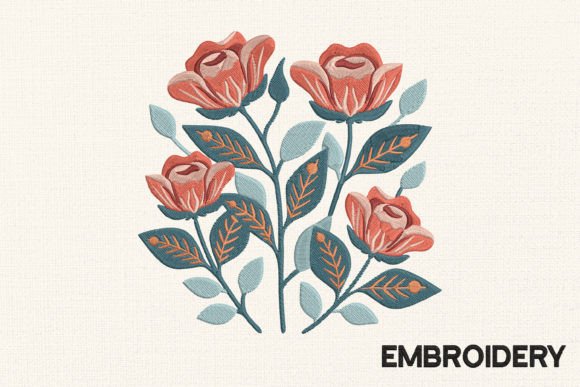
As an embroidery designer who has spent years digitizing and testing files for commercial use, I approach every new machine embroidery design with a critical eye. It is not just about whether the image looks pretty on a screen; it is about how that design performs when stitched out on real fabric, subjected to washing, and viewed by potential customers. Today, I am reviewing Roses Flowers, a versatile piece from the Bouquets Bunches category, specifically evaluating its potential for small business merchandise and branded patch applications.
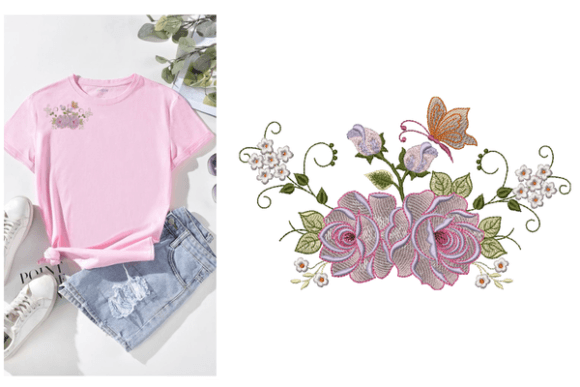
The first impression of Roses Flowers is one of classic elegance mixed with approachable warmth. Unlike ultra-modern, abstract line art that can sometimes feel cold or corporate, this design carries a handmade, organic feel. For boutique owners, florists, bakeries, and creative studios, this visual personality is invaluable. It signals care, tradition, and attention to detail. When I look at this embroidery file, I do not just see a flower; I see a branding asset that can elevate a simple tote bag into a desirable lifestyle product.
Real-World Applications for Brand Identity
The true test of any design is its versatility in a commercial setting. The product description notes that this design works on pillows, tote bags, jackets, and framed artwork. From a business perspective, this range suggests a medium level of detail that scales well. Here is how I envision Roses Flowers performing in specific small business scenarios:
- Branded Patches: This is perhaps the strongest use case. An embroidered patch featuring this rose design can be applied to denim jackets, canvas backpacks, or even laptop sleeves. Patches allow businesses to create modular merchandising. You can sell the patch separately or use it to upgrade basic apparel items, increasing the perceived value of the finished product.
- Café and Boutique Uniforms: Imagine a local coffee shop or a floral boutique where staff wear neutral-toned aprons. Placing Roses Flowers as a chest accent or on the pocket adds a touch of sophistication without being overpowering. It reinforces brand identity by associating the business with natural beauty and craftsmanship.
- Tote Bag Design: Canvas totes are a staple for Etsy sellers and market vendors. Because the design is described as versatile, it likely holds up well on heavier fabrics. A large-scale stitch-out on a tote bag serves as a walking advertisement. The key here is ensuring the thread colors contrast sufficiently against the natural canvas hue.
- Cap Embroidery: For a more subtle branding approach, this design could work on the side panel of a baseball cap or the front of a dad hat. However, this requires careful scaling. The curves of the petals must remain smooth and not turn into jagged edges when reduced in size.
Navigating Technical Challenges and Fabric Textures
While the aesthetic appeal is high, we must address the technical realities of production. Not every digital embroidery file behaves the same way on every material. When using Roses Flowers for custom apparel or merchandise, consider the following constraints:
Stitch Density and Fabric Texture: Floral designs often rely on satin stitches for petals and fill stitches for leaves. If the stitch density is too high, it can cause puckering on lightweight fabrics like thin cotton t-shirts or silk blends. I always recommend testing this design on a scrap piece of your actual production fabric. If you are stitching on textured items like terry cloth towels or thick denim, you may need to adjust your underlay or use a cut-away stabilizer to prevent the design from sinking into the fabric texture.
Small Patch Sizes and Detail Loss: If you intend to use this as a tiny logo on a collar or a small label, be cautious. Intricate floral details can merge together if the design is scaled down too far. Before committing to a large run of small business merch, stitch out a sample at the smallest intended size. Check if the individual petals are distinguishable. If they blur into a single mass, the design may be better suited for larger applications like jacket backs or pillow fronts.
Curved Surfaces: Embroidering on caps or curved sleeves presents a challenge for any design. The radial nature of a rose can actually work in your favor here, as the center of the flower can align with the curve of the cap. However, ensure that the outer petals do not distort. Hooping technique is critical; improper tension can stretch the fabric and warp the shape of the Roses Flowers motif.
Enhancing Customer Trust and Product Value
Beyond the technical specs, we must consider the psychological impact of this design on your customers. In the world of online sales, particularly for handmade brands, visual consistency is key. Using a high-quality, professional-looking design like Roses Flowers signals that you care about quality. It moves your product from "homemade" to "handcrafted premium."
When a customer receives a package with an embroidered thank-you note or a branded apron included as a gift, the tactile experience of the embroidery builds trust. It shows permanence and effort. This design, with its classic bouquet style, evokes feelings of nostalgia and comfort. For businesses in the wellness, beauty, or food sectors, these associations can directly influence buyer engagement and repeat purchases.
Practical Designer Notes for Production
Before you load this file into your machine for a client order or your own inventory, follow this checklist to ensure a professional result:
- Test in Black and White First: Before selecting your brand colors, stitch the design out in black thread on white fabric. This allows you to see the structure and spacing without the distraction of color. It helps identify any potential threading issues or dense areas that might cause breaks.
- Verify Hoop Size and Formats: The description mentions multiple embroidery options, but it does not specify exact dimensions. Always check the included hoop size variants. Ensure you have the correct file format for your specific machine model (e.g., PES, DST, JEF) to avoid conversion errors that can alter stitch paths.
- Check Commercial Licensing: Never assume a file is free for commercial use. Confirm the license terms associated with this digital embroidery file. Some designers require an extended license for mass production or selling physical goods containing the design.
- Create a Printable Mockup: Use design software to place the Roses Flowers image onto photos of your actual products. This helps you visualize scale and placement before wasting thread and fabric. It is also a great tool for social media previews to gauge customer interest.
- Review Thread Color Contrast: If your brand palette is monochromatic, ensure there is enough tonal difference between the petals, leaves, and background. Low contrast can make the design look muddy from a distance.
In conclusion, Roses Flowers is a strong contender for small business owners looking to add a touch of organic elegance to their design assets. It bridges the gap between decorative art and functional branding. By respecting the technical limitations of embroidery and strategically placing this motif on high-value items like patches, totes, and uniforms, you can create a cohesive and professional brand presence. Always prioritize testing on your specific materials, as the interaction between thread, fabric, and stabilizer is what ultimately defines the quality of your commercial embroidery projects.