Chamomile Flower: A Craft Fair Embroidery Review
As an embroidery designer who has spent countless weekends standing behind booths at local markets, I have learned that not every digital file translates into a bestseller. When I first loaded the Chamomile Flower design onto my machine, I was looking for more than just aesthetic appeal. I was evaluating its potential as a high-converting craft fair product. In the world of handmade goods, speed, visual impact, and versatility are the trifecta of success. This review breaks down how this specific design performs in a real-world retail environment, focusing on what matters most to Etsy sellers, boutique makers, and creative entrepreneurs.
First Impressions and Visual Appeal
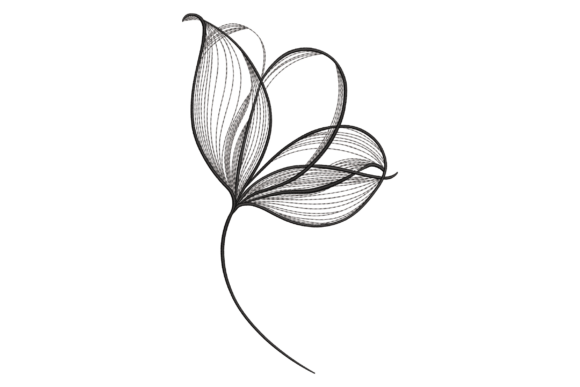
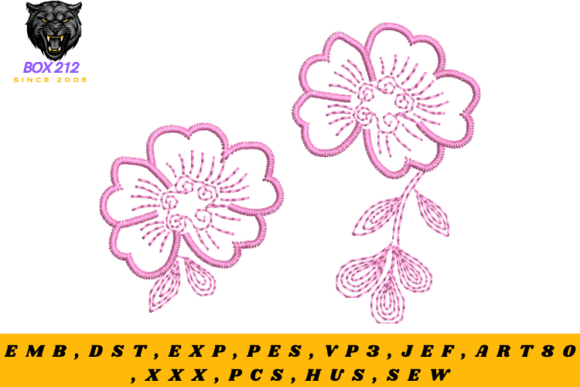
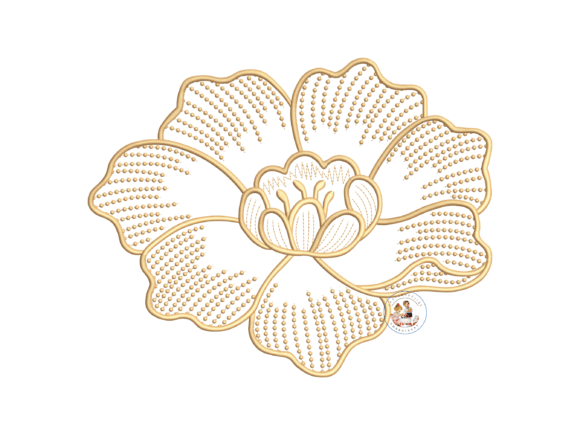
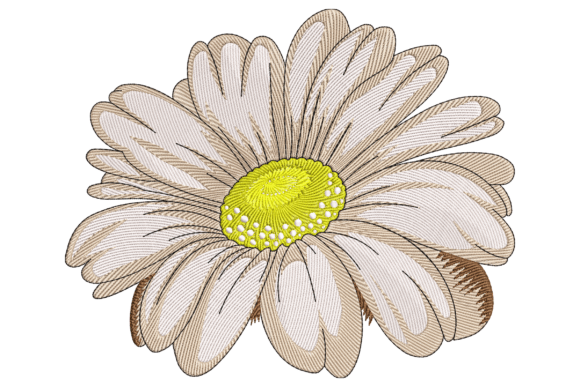
The initial glance at the Chamile Flower reveals a design that strikes a delicate balance between rustic charm and modern simplicity. It does not scream for attention with neon brightness or excessive complexity; instead, it invites the viewer in with a sense of calm. For the category of Single Flowers Plants, this is crucial. Customers at craft fairs are often overwhelmed by visual noise. A design that feels soft, minimal, and decorative allows them to imagine it in their own homes without feeling like it clashes with their existing decor.
The lively and creative touch mentioned in the product description holds true. The petals appear organic rather than rigid, giving the Embroidery a hand-drawn quality that appeals to buyers seeking authentic handmade products. It feels farmhouse-adjacent but clean enough for contemporary tastes. This broad appeal is vital for a weekend market where your customer base might range from young parents looking for nursery decor to grandparents seeking thoughtful gifts.
Product Versatility and Market Fit
The true test of any machine embroidery design is its adaptability. Can it survive on different textiles? Does it look good small and large? Here is how Chamomile Flower performs across various popular items:
- Tote Bags and Market Bags: This is perhaps the strongest application. The design works beautifully as a central focal point on canvas totes. It serves as an excellent tote bag design because the white and yellow tones of the chamomile pop against natural cotton or muted pastel fabrics. It transforms a utility item into a fashion statement.
- Kitchen Linens: For tea towel embroidery and aprons, this design shines. Kitchens are trending towards botanical themes. An apron embroidery featuring this flower adds a professional, boutique feel to a standard kitchen tool. It suggests cleanliness and nature, two positive associations for culinary spaces.
- Apparel and Caps: On t-shirts, it acts as a subtle chest pocket accent. However, caution is needed with caps. Curved surfaces can distort designs. If you choose to embroider this on a cap, ensure the hoop size is appropriate and that the design is scaled down to fit the front panel without wrapping around the sides.
- Patches and Pouches: As an embroidered patch, this design is highly viable. Patches are low-commitment purchases for customers. The clear outlines of the chamomile ensure it remains recognizable even at smaller sizes, making it perfect for fabric pouches or denim jackets.
Production Practicality for Small Shops
For an Etsy seller or a small shop owner, time is money. Batch production is the key to profitability. The Chamomile Flower appears to be designed with efficiency in mind. The stitch paths seem logical, minimizing unnecessary jumps and trims. This reduces production time per unit, allowing you to create more inventory before a big market weekend.
Photography is another critical factor. This design photographs exceptionally well. The contrast between the typical white petals and yellow center provides natural highlights that catch the light in product photos. Whether you are creating a printable mockup for your online store or taking live photos for social media, the design retains its clarity. It does not get lost in the fabric texture, which is a common issue with overly dense or thin designs.
Careful-Use Notes and Technical Considerations
While the design is versatile, there are technical nuances to consider before you start stitching your entire inventory. Every digital embroidery file behaves differently depending on the medium. Here are specific areas where you must exercise caution:
- Fabric Texture: Textured towels can swallow small details. If you are stitching on waffle-weave or thick terry cloth, ensure the stitch density is sufficient to cover the pile. You may need to adjust your underlay settings or use a cutaway stabilizer to prevent sinking.
- Dark Fabrics: Chamomile is traditionally light-colored. If you are stitching on dark fabric, you must use a high-quality covering stitch or a satin border to prevent the background fabric from showing through the petals. Alternatively, stick to light-colored garments to maintain the design's integrity.
- Small Sizes: If you scale this design down significantly for small pouches or baby clothes, check the tiny details. Fine lines can break or become indistinct if the needle size is too large or if the fabric shifts. Always test on scrap fabric first.
- Stabilizer Selection: For stretchy fabrics like t-shirts, a tear-away stabilizer might not be enough. Use a cutaway stabilizer to ensure the Chamomile Flower does not pucker after washing. For woven fabrics like tote bags, a medium-weight tear-away is usually sufficient.
Enhancing Brand Consistency and Buyer Engagement
Incorporating Chamomile Flower into your product line can strengthen your brand identity if you position it correctly. It signals a brand that values nature, simplicity, and quality. When displayed in a booth, grouping items with this design creates a cohesive collection. A table featuring matching tea towels, tote bags, and patches tells a story. It encourages buyers to purchase multiple items, increasing your average order value.
Buyer engagement increases when customers can see the quality up close. The tactile nature of embroidery draws people in. They want to touch the stitches. This design, with its likely varied stitch types (satin for stems, fill for petals), offers that tactile interest. It feels premium compared to printed vinyl, justifying a higher price point for your finished product.
Final Designer Recommendations
Before you commit to producing a large batch of commercial embroidery items, follow these practical steps:
- Test on Scrap Fabric: Never skip this step. Test the design on the exact fabric you plan to sell. Check for puckering, thread breaks, and color accuracy.
- Check Thread Contrast: Ensure your thread colors match the intended vibe. Cream threads may look vintage, while bright white looks modern. Choose based on your target audience.
- Review Spacing and Hoop Size: Confirm that the design fits comfortably within your hoop without hitting the edges. Leave margin for error.
- Verify Licensing: Always confirm the commercial licensing terms of the design assets you purchase. Ensure you have the right to sell finished products made with this file.
- Create Real Mockups: Do not rely solely on digital previews. Stitch one sample item and photograph it in natural light. Use this image for your primary listing photo.
In conclusion, Chamomile Flower is a strong contender for any embroidery business looking to expand its floral offerings. It balances aesthetic appeal with production practicality. By understanding its strengths and respecting its technical limitations, you can turn this single design into a profitable pillar of your craft fair inventory. Whether you are selling online or in person, this design offers the lively, creative touch that modern buyers crave.