Flower Embroidery Design Review for Business Merch
As an embroidery designer who has spent years digitizing and reviewing files for commercial use, I approach every new machine embroidery design with a critical eye. It is not just about whether the artwork looks pretty on a screen; it is about how that art translates into thread, how it withstands washing, and how it elevates a brand’s identity. Today, I am reviewing the Flower Embroidery Design, a digital asset positioned within the Wedding Flowers category but possessing versatile potential for broader small business merchandise applications.
For boutique owners, Etsy sellers, and apparel decorators, finding the right balance between aesthetic appeal and technical feasibility is crucial. This review breaks down the visual personality, practical application, and technical considerations of this specific embroidery file to help you decide if it fits your next production run.
First Impressions: Visual Personality and Brand Fit
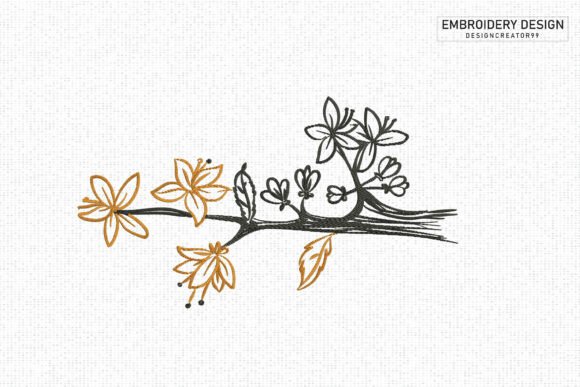
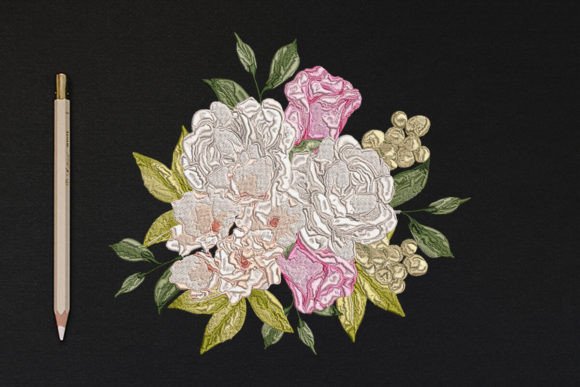
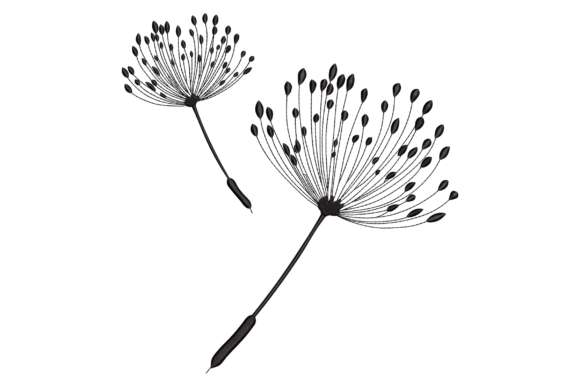
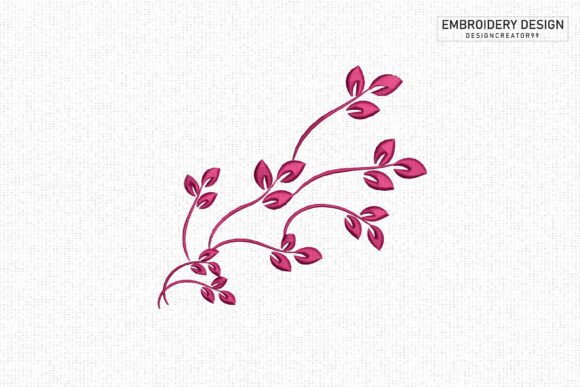
The first thing I look for in a floral design is its emotional resonance. Does it feel rustic, modern, elegant, or playful? Based on the title and its categorization under Wedding Flowers, the Flower Embroidery Design leans toward an elegant and classic aesthetic. However, its utility extends far beyond bridal wear. For a local café, a florist, or a handmade soap brand, this design offers a touch of sophistication without being overly ornate.
In the context of brand identity, floral motifs are powerful tools. They suggest growth, nature, care, and beauty. When applied to small business merch, such a design can soften a corporate image or add a premium feel to a simple product. The key is ensuring the design does not look generic. In my assessment, this design maintains enough detail to feel custom and high-quality, avoiding the flat, clip-art look that often plagues low-tier digital downloads.
Real-World Applications for Small Business Merchandise
The true test of any digital embroidery file is its versatility across different substrates and products. Here is how I envision the Flower Embroidery Design performing in real-world commercial scenarios:
- Embroidered Patches: This is perhaps the strongest use case. A well-digitized floral design makes for an excellent iron-on or sew-on patch. Brands can use these as limited-edition drops or loyalty rewards. The organic shapes of flowers allow for creative edge finishing, whether merrowed or satin-stitched.
- Apron Embroidery: For bakeries, florists, and craft studios, branded aprons are walking advertisements. Placing this design on the chest pocket or the lower corner of an apron adds a professional, cohesive look to staff uniforms. It signals attention to detail to customers.
- Tote Bag Design: Canvas tote bags are staples for retail shops. A floral accent here works beautifully because the sturdy fabric supports the stitch density without puckering. It transforms a basic bag into a desirable accessory.
- Cap Embroidery: While challenging due to the curved surface, a simplified version of this design could work on the side panel of a dad hat or baseball cap. It offers a subtle branding opportunity that is less aggressive than a large front logo.
- Custom Apparel and Work Shirts: For boutiques selling linen shirts or blouses, this design can serve as a sleeve detail or a collar accent. It adds value to the finished product, allowing retailers to charge a premium for the handcrafted element.
Technical Considerations and Production Notes
Before loading this design into your machine, there are several technical factors to consider. As a designer, I always advise testing the stitch density relative to the fabric texture. Floral designs often contain varied densities—solid fills for petals and lighter runs for stems. If the density is too high for lightweight fabrics like chiffon or thin cotton, you risk puckering or needle holes.
Stabilizer selection is non-negotiable. For this type of design, I recommend using a cut-away stabilizer for garments that will undergo frequent washing, such as t-shirts and aprons. For patches or items that will not be washed often, a tear-away might suffice, but cut-away ensures longevity and maintains the shape of the floral elements over time.
Another critical aspect is color management. The thread colors you choose will define the mood. While the default colorway might be pastel for a wedding theme, do not hesitate to experiment. High-contrast colors can make the design pop on dark uniforms, while monochromatic tones (such as white-on-white or black-on-black) create a subtle, textured look that exudes luxury. Always run a test stitch-out to check for thread breaks or trimming issues before committing to a full production run.
Compatibility and File Formats
One of the most significant advantages of this package is the breadth of compatibility. Small businesses often use a mix of home and industrial machines. The fact that the following 9 formats are included in the file you will receive ensures that most users can plug and play without needing complex conversion software:
- PES – Brother, Deco, Babylock
- DST – Tajima
- EXP – Melco
- HUS – Husqvarna, Viking
- JEF – Janome, Elna, Kenmore
- VP3 – Husqvarna, Viking
- VIP
This wide format support is essential for commercial embroidery shops that may have multiple machines from different manufacturers. It reduces friction in the workflow, allowing you to focus on production rather than file management. However, always verify the hoop size requirements for each format variant, as resizing can sometimes alter stitch counts and density unexpectedly.
Strategic Branding and Customer Trust
Using a high-quality Flower Embroidery Design is not just about decoration; it is a strategic business decision. Consistent use of well-executed embroidery builds customer trust. It signals that your brand values quality and permanence. In an era of fast fashion and disposable goods, embroidered items feel lasting and valuable.
When you incorporate this design into your design assets, ensure it aligns with your overall visual language. Create a printable mockup to show clients or stakeholders how the embroidery will look on the final product. This step helps manage expectations and allows for adjustments in placement or scale before a single stitch is made. For Etsy sellers, high-quality mockups featuring the embroidered item can significantly boost click-through rates and buyer engagement.
Final Verdict and Designer Recommendations
The Flower Embroidery Design is a solid addition to any small business owner’s library, particularly for those in the lifestyle, beauty, food, or creative sectors. Its elegance makes it suitable for Wedding Flowers themed projects, but its adaptability allows for use in everyday custom apparel and branded goods.
To get the best results, follow these final steps:
- Test on Scrap Fabric: Always stitch out the design on the same material you intend to use for production. Check for puckering, thread breaks, and registration accuracy.
- Check Licensing: Confirm commercial licensing terms before using the design for items you plan to sell. Most digital files allow for physical product sales, but restrictions on reselling the file itself are standard.
- Optimize Placement: Consider how the design interacts with seams, pockets, and curves. A floral design often looks best when it flows with the garment’s structure rather than fighting against it.
- Maintain Consistency: If you use this design across multiple products, keep the thread colors consistent to strengthen brand recognition.
In conclusion, this design offers a professional, versatile option for enhancing handmade product lines. With careful attention to stabilizer choice, thread quality, and placement, the Flower Embroidery Design can become a signature element of your brand’s visual identity, driving both aesthetic appeal and perceived value for your customers.