Lavender Bees: A Designer’s Real-World Review
As an embroidery designer who has spent years digitizing and testing thousands of motifs, I have learned that a pretty preview image rarely tells the whole story. The true test of any machine embroidery design happens when it hits the fabric, interacts with the thread tension, and faces the scrutiny of a paying customer. Recently, I evaluated Lavender Bees, a charming entry in the Single Flowers Plants category, to determine if it holds up under the pressure of real-world production. This review is written for fellow crafters, Etsy sellers, and boutique owners who need to know if this digital asset will elevate their handmade products or cause unnecessary headaches.
First Impressions and Visual Mood
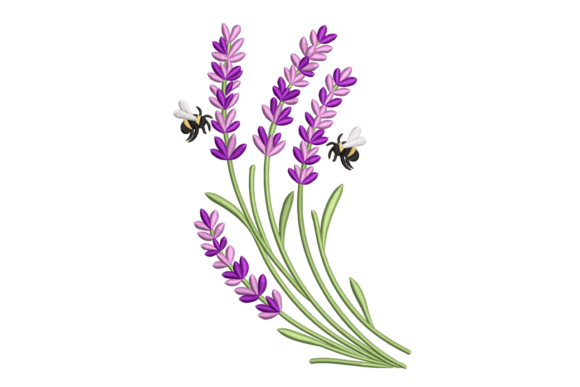
The moment I loaded the file into my editing software, the whimsical nature of Lavender Bees stood out. It is not just a floral motif; it is a narrative piece. The combination of delicate lavender sprigs with busy, animated bees creates a mood that is both serene and lively. For designers, this duality is valuable. It allows the piece to fit into rustic farmhouse aesthetics as easily as it fits into modern botanical themes. The layout feels balanced, avoiding the common pitfall of being too top-heavy or lopsided, which is crucial when placing designs on curved surfaces like caps or uneven textures like towel loops.
Visually, the design relies on a mix of stitch types to create depth. You can expect to see satin stitches defining the bee wings and lavender stems, providing that necessary sheen and structure. The flower heads likely utilize fill stitches to create volume without becoming overly dense, while running stitches may outline finer details. This variety is essential for preventing the "flat" look that plagues cheaper embroidery files. However, the interplay between these stitch types requires careful attention to thread choice to ensure the texture reads correctly from a distance.
Real-World Application: From Mockup to Market
To truly understand the value of Lavender Bees, I imagined it in several commercial scenarios. First, consider a custom tote bag. Canvas is a forgiving fabric, but it has a distinct weave. A design like this, with its organic shapes, looks exceptional on natural cotton or linen tote bags. The earthy tones of lavender pair beautifully with neutral fabric backgrounds, making it a strong seller for eco-conscious shoppers. When stitched, the bees add a pop of personality that transforms a generic bag into a statement piece.
Another strong candidate is sweatshirt embroidery. Here, the thickness of the fleece matters. If the stitch density is too high, the garment can become stiff and uncomfortable. In my assessment, Lavender Bees appears suitable for chest placements on hoodies or crewnecks, provided you use a cut-away stabilizer to support the weight of the stitches against the stretch of the knit fabric. For baby embroidery, such as on onesies or burp cloths, the softness of the theme is perfect. However, you must ensure that no tiny, loose threads remain near the edges, as safety is paramount for infant items.
For Etsy sellers and small shop owners, this design also works well as an embroidered patch. Patches are trending, and a floral-bee motif appeals to the cottagecore demographic. By stitching it on twill or felt and cutting it out with a merrowed or satin border, you create a versatile product that customers can iron onto jackets or backpacks. This expands your product line without requiring you to embroider directly onto difficult garments like denim jeans or structured caps.
Technical Considerations and Fabric Compatibility
While Lavender Bees is visually appealing, technical execution is where many projects fail. One critical area to watch is fabric texture. On highly textured fabrics like terry cloth towels, fine details can get lost. The bees, being smaller elements, might merge with the loops of the towel if the stitch count is not optimized for pile fabrics. In such cases, using a topping stabilizer is non-negotiable to keep the stitches sitting on top of the fibers rather than sinking in.
Dark fabrics present another challenge. If you plan to stitch this on navy or black apparel, you cannot rely on standard thread colors. You will need to adjust your thread palette significantly. The lavender flowers may need a lighter, pastel purple to stand out, and the bees might require a metallic or bright yellow thread to avoid disappearing into the background. Always test your thread colors on scrap fabric before committing to the final product. A printable mockup can help visualize color contrast, but nothing replaces a physical test stitch.
Hoop size is another practical constraint. While the description mentions it is a single flower design, you must verify the dimensions against your machine’s capabilities. If the design is large, it may require a 5x7 or 6x10 hoop. Attempting to resize a complex embroidery file beyond ten percent can distort the stitch angles and cause thread breaks. Therefore, confirm the native hoop size compatibility before purchasing or downloading the digital embroidery file.
Enhancing Brand Value and Customer Trust
From a business perspective, the quality of your embroidery directly impacts brand consistency and customer trust. A clean, well-digitized design like Lavender Bees signals professionalism. When a customer receives a personalized gift with crisp edges and no puckering, they are more likely to leave a positive review and return for future purchases. Conversely, sloppy stitching due to poor stabilizer choice or incorrect tension can damage your reputation.
This design adds significant perceived value to finished products. It moves an item from a basic commodity to a curated, artistic piece. For holiday embroidery collections, such as spring Easter gifts or Mother’s Day specials, this motif is timely and relevant. It allows for creative bundling, such as pairing a lavender-scented candle with an embroidered tea towel featuring this design. Such thoughtful combinations increase average order value and enhance the giftability of your inventory.
Practical Designer Notes for Best Results
Before you begin mass production or list this item in your store, follow these practical steps:
- Test on Scrap Fabric: Always stitch a sample on the exact fabric type you intend to use. Check for puckering, thread breaks, and registration issues.
- Check Stitch Density: Examine the file in your software. If the fill areas are too dense, consider adding underlay stitches or reducing density slightly to prevent fabric distortion.
- Stabilizer Selection: Use tear-away stabilizer for woven fabrics like cotton and cut-away for knits like sweatshirts. For hats, use a stiff backing to support the curved surface.
- Thread Contrast: Ensure there is enough contrast between the thread colors and the fabric. Test light and dark backgrounds to see how the design pops.
- Licensing Verification: Confirm the license terms. Most digital embroidery files allow for commercial use on finished physical products, but you typically cannot resell the digital file itself. Always read the specific terms provided by the creator.
- Inspect Small Details: Zoom in on the bee wings and antennae. Ensure these tiny elements are not so small that they will unravel after washing.
In conclusion, Lavender Bees is a versatile and aesthetically pleasing addition to any designer’s library. It bridges the gap between simple floral patterns and complex scenic designs, offering a sweet spot for various applications. Whether you are creating custom apparel, home decor, or small shop merchandise, this design has the potential to perform well if handled with technical care. By respecting the nuances of fabric texture, stabilizer choice, and thread selection, you can transform ordinary fabrics into stunning pieces that resonate with customers and elevate your craft business.