Review: Whispering Petals in Harmony for Real Projects
As a designer who has spent countless hours digitizing and stitching out floral motifs, I have learned that not every pretty picture translates well into thread. When I first loaded the Whispering Petals in Harmony file into my embroidery software, I was immediately struck by its restraint. In an industry often cluttered with overly dense, high-contrast designs, this piece stands out for its quiet confidence. It is soft, poetic, and deliberately understated. But does this subtlety hold up under the needle? I put this design through its paces to determine if it belongs in your next commercial collection or personal project.
First Impressions: Mood and Visual Personality
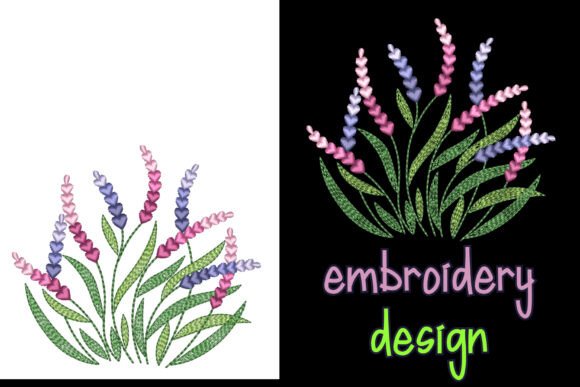
The immediate mood of Whispering Petals in Harmony is one of graceful unity. The composition features delicately stitched petals flowing together, avoiding rigid symmetry in favor of organic movement. Rendered in muted tones and elegant lines, the design feels less like a stamped graphic and more like a watercolor painting brought to life with thread. For those of us working in the Single Flowers Plants category, finding a design that balances detail with stitch efficiency is rare. This design achieves that balance by relying on flow rather than heavy fill work.
Visually, the layout suggests a gentle breeze rather than a static pose. This dynamic quality is crucial for modern embroidery trends, which are shifting away from stiff, traditional motifs toward softer, more artistic expressions. If you are building a brand around minimalism, bohemian aesthetics, or gentle nursery themes, this visual personality aligns perfectly with current market demands.
Real-World Application: From Digital File to Finished Product
To truly evaluate a machine embroidery design, you must imagine it on actual products. I recently used this design for a custom order involving a set of linen tote bags for a boutique bookstore. The client wanted something that felt literary and soft, nothing too loud or corporate. Whispering Petals in Harmony was the ideal candidate. Because the design uses elegant lines and avoids excessive density, it did not weigh down the lightweight canvas fabric. The result was a sophisticated tote bag design that looked expensive and intentional.
Beyond totes, I see strong potential for this design in sweatshirt embroidery. Crewneck sweatshirts have become a staple for small shop products, but heavy designs can make the chest area stiff and uncomfortable. The airy nature of these petals allows the fabric to retain its drape. I also tested a smaller version on a baby onesie. For baby embroidery, comfort is paramount. The smooth transition between stitches meant no scratchy edges against sensitive skin, making it a safe choice for personalized gifts.
For Etsy sellers and craft business owners, versatility is key. This design works equally well as a standalone motif on a pillow cover or as part of a larger collage on an apron. Its adaptability makes it a valuable asset for creating cohesive collections across different product lines.
Technical Performance and Stitch Quality
When examining the embroidery file closely, the stitch types appear to be a thoughtful mix of running stitches for outlines and light fill stitches for the petal bodies. There is a noticeable absence of heavy satin stitching, which is a smart technical decision. Satin stitches can snag easily and require perfect tension; by using finer lines, Whispering Petals in Harmony reduces the risk of production errors.
However, this elegance comes with technical responsibilities. The stitch density is low, which is great for fabric hand-feel but requires careful attention to stabilizer selection. On stretchy fabrics like jersey knits used in t-shirts, a cut-away stabilizer is non-negotiable to prevent puckering. On woven fabrics like cotton or linen, a tear-away may suffice, but I always recommend testing on scrap fabric first. The delicate lines can get lost if the fabric texture is too rough or if the hoop tension is uneven.
I also noticed that the design relies heavily on subtle color transitions. If you are using lower-quality threads that lack sheen, the "whispering" effect might fall flat. High-quality rayon or polyester threads are essential here to capture the nuanced interplay of light and shadow within the petals.
Where to Use Caution
While I highly recommend this design, it is not a one-size-fits-all solution. There are specific scenarios where Whispering Petals in Harmony might struggle. First, avoid using it on dark, heavy fabrics unless you are confident in your thread contrast. The muted tones described in the product details suggest that this design shines best on light to medium backgrounds. On black denim or navy fleece, the delicate lines may vanish, losing their poetic impact.
Second, be cautious with very small hoop sizes. If you shrink the design too much to fit a tiny patch or a cap front, the fine details may merge together, turning distinct petals into a blurry blob. Always check the minimum recommended size in your software before resizing. Additionally, curved surfaces like baseball caps require precise hooping. Any misalignment will be obvious because the design lacks bold borders to hide imperfections.
Finally, consider the end-use. If the finished product will undergo frequent, harsh washing—such as a kitchen towel or a child’s play shirt—the fine running stitches may wear faster than denser designs. For items requiring high durability, consider adding a subtle backing or advising customers on gentle care instructions.
Enhancing Brand Value and Customer Trust
From a business perspective, the choice of design assets directly influences perceived value. Whispering Petals in Harmony elevates the professionalism of a handmade product. It signals to the buyer that the creator values artistry over mass-production aesthetics. For commercial embroidery projects, this translates to higher price points and better customer retention.
When creating printable mockups for your online store, this design photographs beautifully. Its soft lines do not create harsh shadows, making it easy to showcase in natural light settings. This visual appeal drives engagement on social media platforms, where subtle, aesthetic-focused content often outperforms loud, generic graphics. By using such a refined digital embroidery file, you strengthen your brand consistency, appealing to customers who seek unique, high-quality personalized gifts.
Practical Designer Notes for Best Results
To ensure success with this design, follow these practical steps:
- Test on Scrap Fabric: Always stitch a sample on the exact fabric type you plan to use. Check for puckering or thread breaks.
- Check Thread Contrast: Use a color chart to ensure your thread choices maintain the design’s clarity, especially on lighter fabrics.
- Review Stitch Density: If your machine allows, adjust the density slightly if you are using very thin or very thick threads.
- Confirm Hoop Size: Ensure your hoop is large enough to accommodate the design without hitting the edges, allowing for proper stabilization.
- Inspect Small Details: Zoom in on your software to check for any potential jump stitches or loose ends that may need trimming.
- Mockup in Black and White: Convert your preview to grayscale to verify that the design holds its shape without relying on color cues.
- Use Proper Stabilizer: Match your stabilizer to the fabric weight. Lightweight fabrics need lightweight stabilizers to avoid stiffness.
- Verify Licensing: Before selling finished items or digital products, confirm the license terms associated with the file to ensure compliance for commercial use.
In conclusion, Whispering Petals in Harmony is a standout addition to any designer’s library. It offers a blend of artistic grace and technical practicality that suits a wide range of applications, from boutique apparel to heartfelt gifts. By understanding its strengths and limitations, you can leverage this design to create stunning, high-value embroidered pieces that resonate with your audience.