Smiley Flowers: A Designer’s Review for Real Projects
As an embroidery designer who has spent years staring at digitized files on a screen and then watching them come to life on fabric, I have developed a keen eye for what works in the real world. We often get caught up in the technical specs—stitch counts, file formats, and color palettes—but the true test of any machine embroidery design is how it performs once the needle hits the cloth. Recently, I evaluated Smiley Flowers, a charming piece from the Bouquets Bunches category, to see if it holds up under the scrutiny of actual production. This isn't just about whether it looks cute in a thumbnail; it is about whether it adds value to your handmade product line.
First Impressions and Visual Personality
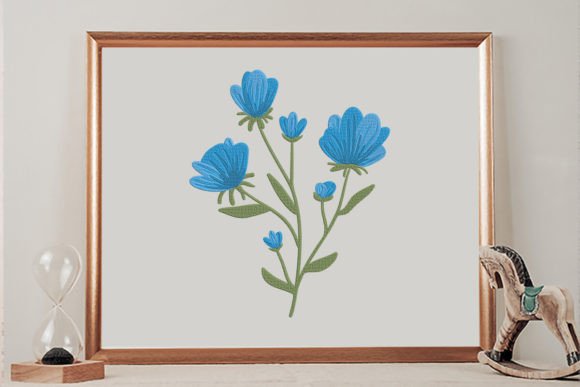
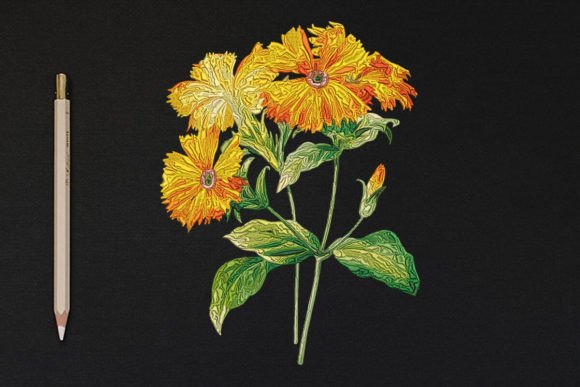
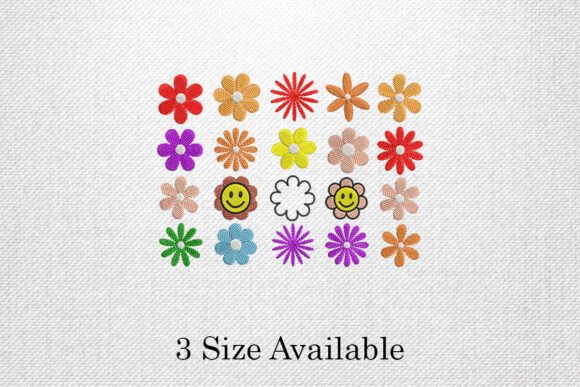
The first thing that strikes you about Smiley Flowers is its approachable whimsy. In a market saturated with hyper-realistic florals or overly complex geometric patterns, there is a distinct demand for designs that feel friendly and accessible. This design delivers that mood effortlessly. The layout suggests a cluster of blooms, but with a stylized twist that incorporates cheerful, smile-like curves. It feels imaginative without being chaotic.
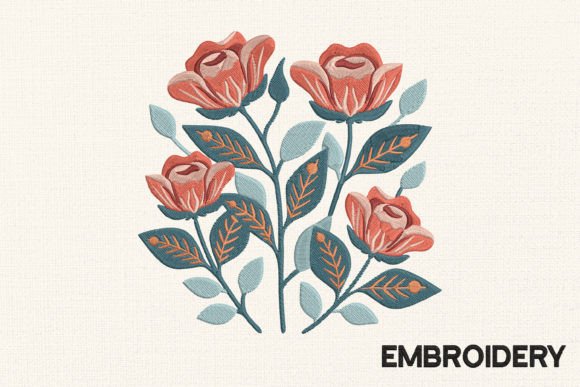
From a design perspective, the visual personality here is key. It does not try to be a photorealistic botanical study. Instead, it leans into a graphic, illustrative style. This is crucial for embroidery because complex shading often gets lost in thread. By keeping the shapes bold and the lines clear, the design ensures that the final finished product reads well from a distance. It creates a vibrant flair that can instantly update the look of plain fabrics, making it an excellent candidate for sellers looking to add a signature touch to their brand.
Real-World Application: The Tote Bag Test
To truly understand the utility of this design, I imagined a specific scenario: creating a custom tote bag for a local farmer’s market or a boutique gift shop. Tote bags are a staple for many Etsy sellers and craft business owners because they offer a large, flat canvas. However, they also present challenges regarding fabric stability and stitch density.
When applying Smiley Flowers to a canvas tote, the design’s structure shines. The bouquet arrangement provides a balanced focal point that doesn't overwhelm the bag's surface. Because the design likely utilizes a mix of fill stitch for the flower petals and potentially satin stitch for outlines or stems, it creates a nice textural contrast. This texture is what makes an embroidered item feel premium compared to a printed one. Customers touching the bag would feel the raised threads, adding a tactile dimension that increases perceived value. For a small shop product, this tangibility is a powerful sales tool.
Versatility Across Product Lines
Beyond tote bags, this design shows promise across various categories. For custom apparel, such as a sweatshirt or a t-shirt, the playful nature of the smiles fits the casual, comfortable aesthetic consumers expect. It works particularly well for baby embroidery projects, where soft, happy motifs are always in demand. Imagine this on a onesie or a baby blanket; the gentle curves and lack of sharp, aggressive angles make it safe and appealing for nursery decor.
For home goods, consider kitchen towels or aprons. The "Bouquets Bunches" theme aligns perfectly with domestic spaces. A set of tea towels featuring these flowers could serve as an attractive holiday gift or a housewarming present. The design’s ability to embellish home decor items without looking out of place is a testament to its versatile styling. It bridges the gap between childish whimsy and adult-friendly decor, which is a difficult balance to strike.
Technical Considerations and Fabric Choices
While the aesthetic is strong, practical execution requires attention to detail. One must consider the fabric texture and type. On thin or stretchy fabrics, such as lightweight jersey t-shirts, the weight of the embroidery can cause puckering if not properly supported. This is where your choice of stabilizer becomes critical. I would recommend using a cut-away stabilizer for garments that will be washed frequently, ensuring the design remains stable and does not distort over time.
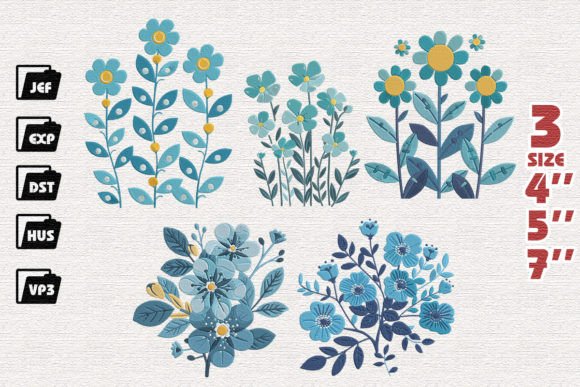
Another factor is the hoop size. Before purchasing or downloading the digital embroidery file, you must confirm that the design fits within your machine’s maximum hoop area. If you are working with smaller hoops, you might need to check if the design comes in multiple sizes. Placing a large bouquet design on a curved surface, like a cap, requires careful positioning to avoid distortion. For caps, a smaller version of the design placed on the front panel would likely yield better results than trying to force a large format onto a limited space.
Color selection also plays a vital role. While the design may come with suggested thread colors, do not be afraid to experiment. High contrast works well for visibility, but subtle, tonal variations can create a sophisticated look for boutique branding. Always test the design on scrap fabric first. Check how the thread colors interact with your base material. A dark fabric might require a backing or a different thread weight to ensure the details of the smiles and petals remain visible.
Commercial Viability and Brand Consistency
For those running a craft business, consistency is key. Smiley Flowers offers a recognizable motif that can become part of your visual identity. Whether used on patches, pillows, or printable mockups for your online store, the design helps build brand recognition. When customers see that specific floral smile, they should associate it with the quality and joy your brand represents.
However, commercial use comes with responsibilities. Always verify the licensing terms associated with the embroidery file. Some designers allow unlimited sales of finished physical items, while others may have restrictions on digital redistribution or mass production. Confirming these details before launching a new product line protects your business from legal issues. Additionally, when creating listings for platforms like Etsy, use high-quality photos that show the stitch clarity. Close-up shots of the satin and fill stitches demonstrate professionalism and help buyers trust the quality of your work.
Final Verdict for Makers and Designers
In conclusion, Smiley Flowers is a solid addition to any designer’s library, particularly for those focusing on lifestyle, baby, or casual apparel markets. It avoids the pitfalls of over-complication, offering a clean, joyful aesthetic that translates well into thread. Its strength lies in its adaptability; it can elevate a simple tote bag or add charm to a baby gift with equal ease.
Remember, the success of any embroidery project depends not just on the design file, but on the maker’s skill in selecting the right materials and techniques. Test your tension, choose your stabilizer wisely, and consider your end user. If you approach this design with these practical considerations in mind, it has the potential to become a bestseller in your small shop. It is a delightful example of how a simple concept, executed with care, can bring a vibrant and imaginative flair to everyday objects.